
Train Smarter on the Front Line with Pocket Simulations
Today we dive into mobile micro-simulations for frontline employee training, showing how short, story-driven practice on any device builds confidence, speeds decisions, and reduces errors. With realistic choices, instant feedback, and measurable outcomes, these bite-sized experiences fit inside natural breaks. Join in by sharing a tricky moment from your shift, and subscribe to receive weekly, field-tested scenarios you can try in under three minutes.

Spacing That Fits a Shift
Frontline roles run on unpredictable rhythms, so practice must flow with the day. Deliver one scenario at clock-in, another after lunch, and one at closing to leverage spacing effects without adding time pressure. These consistent, lightweight touchpoints boost retention, keep judgment sharp, and build a compounding skill curve that survives busy periods, seasonal spikes, and staffing gaps without overwhelming teams or schedules.

Retrieval and Feedback in Two Minutes
People remember what they struggle to recall, especially when corrective feedback arrives immediately. Micro-simulations trigger that productive struggle, asking for a choice, then revealing consequence and guidance within seconds. The quick cycle keeps momentum, reduces frustration, and strengthens neural pathways. Over a week, dozens of micro-decisions become automatic, turning complex playbooks into reflexes that show up when customers need help most.
Designing Micro-Simulations That Fit a Busy Pocket
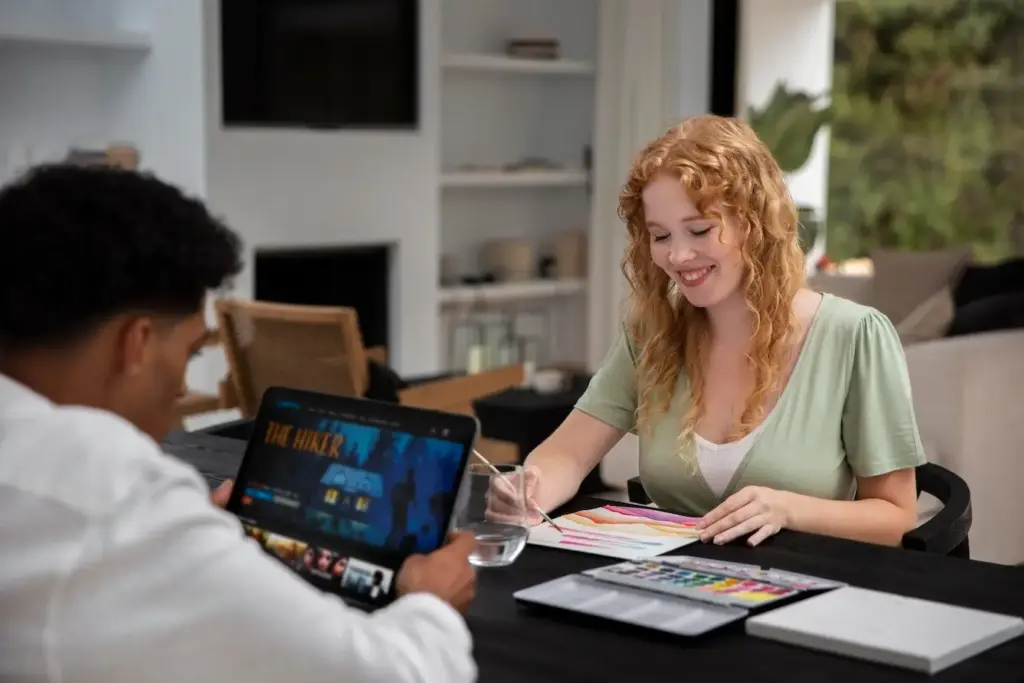
Great experiences feel like real work, not quizzes. Each scenario should open with a recognizable moment, present believable options, and close with crisp, actionable feedback. Audio, short dialogue, and minimal text reduce friction for small screens. Tight branching respects time while still showing consequences. Crafted well, these micro-stories earn attention during short breaks and create momentum that pulls learners back daily.
From Data to Decisions: Proving Real-World Impact
Training should pay off in fewer escalations, safer actions, and happier customers. Connect completion and proficiency data to operational metrics like first-contact resolution, mistake rates, and conversion. Use trend lines, confidence heatmaps, and cohort comparisons to guide coaching. When insights surface in time to change next week’s schedule or script, learning stops being overhead and becomes a lever for performance.


Rolling Out at Scale Without Breaking the Day
Frontline operations cannot pause for long training days. Implementation must be light, resilient, and respectful of shifts. Start with a pilot, then scale with automation and sensible governance. Support shared devices, offline access, and single sign-on to reduce friction. Communicate clearly, measure adoption, and adjust scheduling so practice happens in planned micro-moments, not stolen time that stresses people and managers alike.
Stories from the Floor: Moments That Matter
Retail Line Rescue in Ninety Seconds
During a weekend rush, a new associate recalled a micro-simulation about prioritizing cues: greet, orient, and offer a quick win. They opened a second queue, suggested a self-check option to two shoppers, and radioed for backup. The line moved, tempers cooled, and the store hit hourly targets. Small rehearsals made decisive actions feel natural, not risky or improvisational.
A Medication Safety Save from a Tiny Prompt
In a pharmacy, a technician hesitated when a scenario-trained red flag appeared: a similar drug name, different dosage. They paused, followed the simulated double‑check steps, and caught a near-miss. The patient’s wait grew by one minute, but the outcome improved dramatically. That micro-simulation turned procedure into instinct, reinforcing safety culture without lectures or lengthy policy refreshers during a busy shift.
Gate-Side Calm During a Stressful Delay
Faced with weather delays, a gate agent remembered a de-escalation scenario emphasizing transparent timelines, options, and empathy phrases. They addressed the crowd early, named the frustration, and gave precise next steps. Volunteers stepped forward, tension dropped, and rebooking moved quickly. The approach saved time and reputation, showing how practiced words and pacing can steady emotions when circumstances remain stubbornly outside anyone’s control.
Sustaining Momentum with Coaching and Community
Consistency beats intensity. Pair daily micro-simulations with quick huddles, peer feedback, and recognition that values service quality. Share leaderboards that highlight helpful behaviors, not just speed. Invite frontline voices to co-create new scenarios from real challenges. When people see their experiences reflected, participation stays high, and learning becomes part of identity, not a box to check under pressure.

Micro-Huddles That Compound Skill
Open each shift with one scenario and one question: what would we try differently next time? Keep it under five minutes and rotate voices. Managers facilitate, do not lecture. These small rituals align expectations, surface creative ideas, and build psychological safety. Over weeks, teams develop a shared playbook, and new hires ramp faster by absorbing patterns from authentic, frequent conversations.
Peer Reviews That Sharpen Judgment
Invite associates to record short reflections after tricky scenarios, then trade feedback using simple prompts. What signal did you notice? Which option matched policy and empathy best? This peer dialogue uncovers blind spots and spreads effective language quickly. Because the stakes are low and the cadence is regular, people experiment more, learn faster, and carry stronger judgment into inconsistent, high-pressure moments.

All Rights Reserved.